Article 4: Making Malhar A Self-sufficient Neighbourhood: Tracing our journey from 2013 into 2026
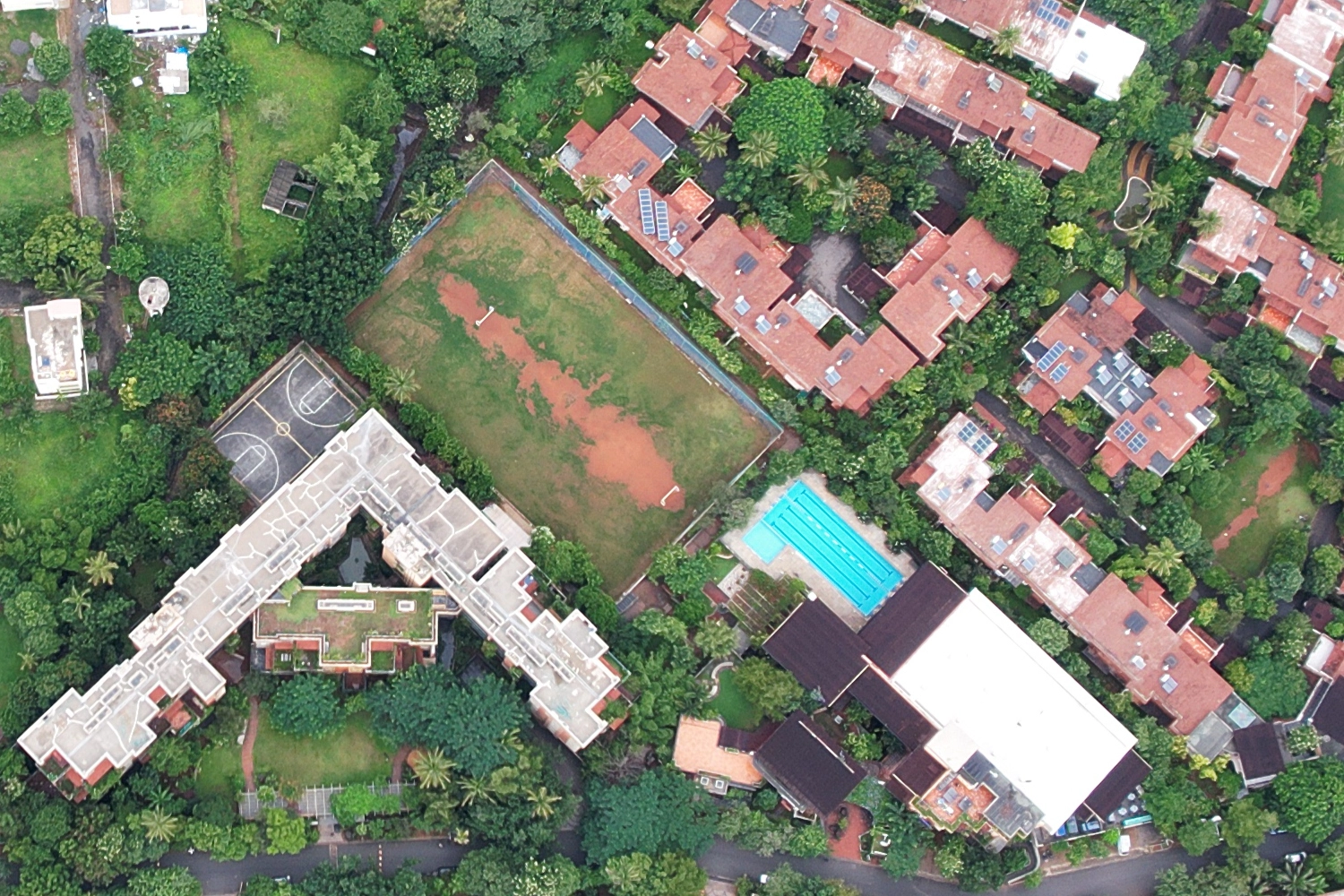
When people talk about 15-minute neighbourhoods and 30-minute cities and how much they contribute to improved lifestyles, we realise that Malhar has got a couple of things right. It took us some time to get where we are, but we’d like to think that the journey is what helped us perfect the system we have in place now. And that’s why we think it’s worth tracing the journey – it could help us do better and perhaps serve as a model for those looking for ideas and inspiration to mould better neighbourhoods.
2013: A community in the outskirts of Bengaluru
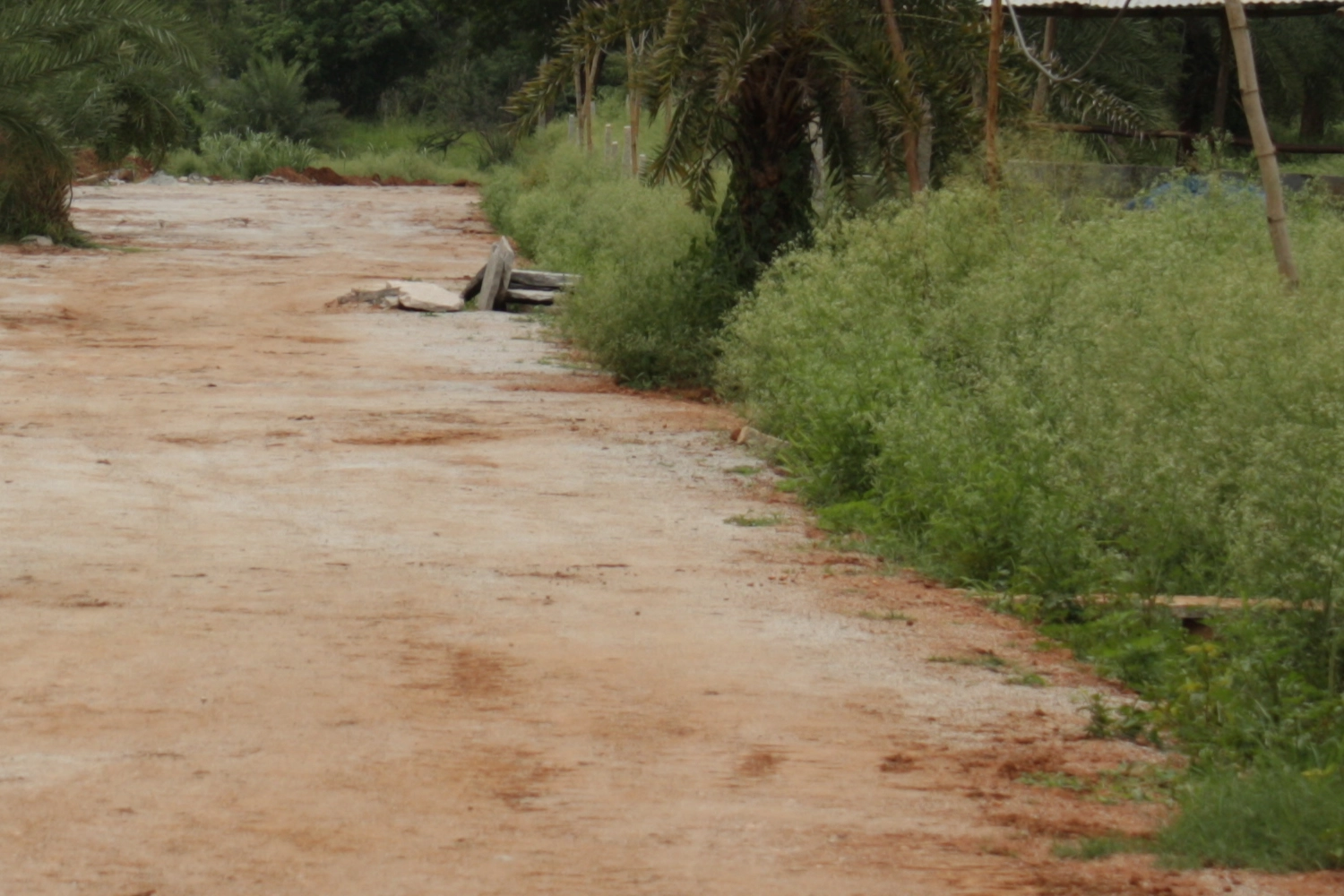
In 2013, Malhar began on what many then considered the outskirts of Bengaluru—a stretch of land in Kambipura that feltfar removed from the city's hustle. The area was largely undeveloped, withsparse infrastructure and limited connectivity. To skeptics, it seemed an unlikely location for a residential community. But the vision was different: create not just housing, but a complete neighbourhood where residents could live, work, and thrive among nature and the wider community.
The first phase focused on essentials. Roads were laid, water and power infrastructure established, and green spaces preserved around the land's natural features—water features and native vegetation would later become our beloved nature trails.
Housing clusters were designed and tucked away from main roads, creating safe, quiet residential pockets. But here's where Malhar diverged from typical developments: rather than filling every available space with developer-planned amenities, the team left room for serendipity —namely us residents’ initiatives to build upon the neighbourhood based on our needs.
The residents’ transform the place
As the first families moved in during themid-2010s, they didn't just occupy homes; they began shaping the community. One resident, recognising the need for early childhood education aligned with natural learning, established a Waldorf kindergarten. Another opened an Ayurvedic centre.
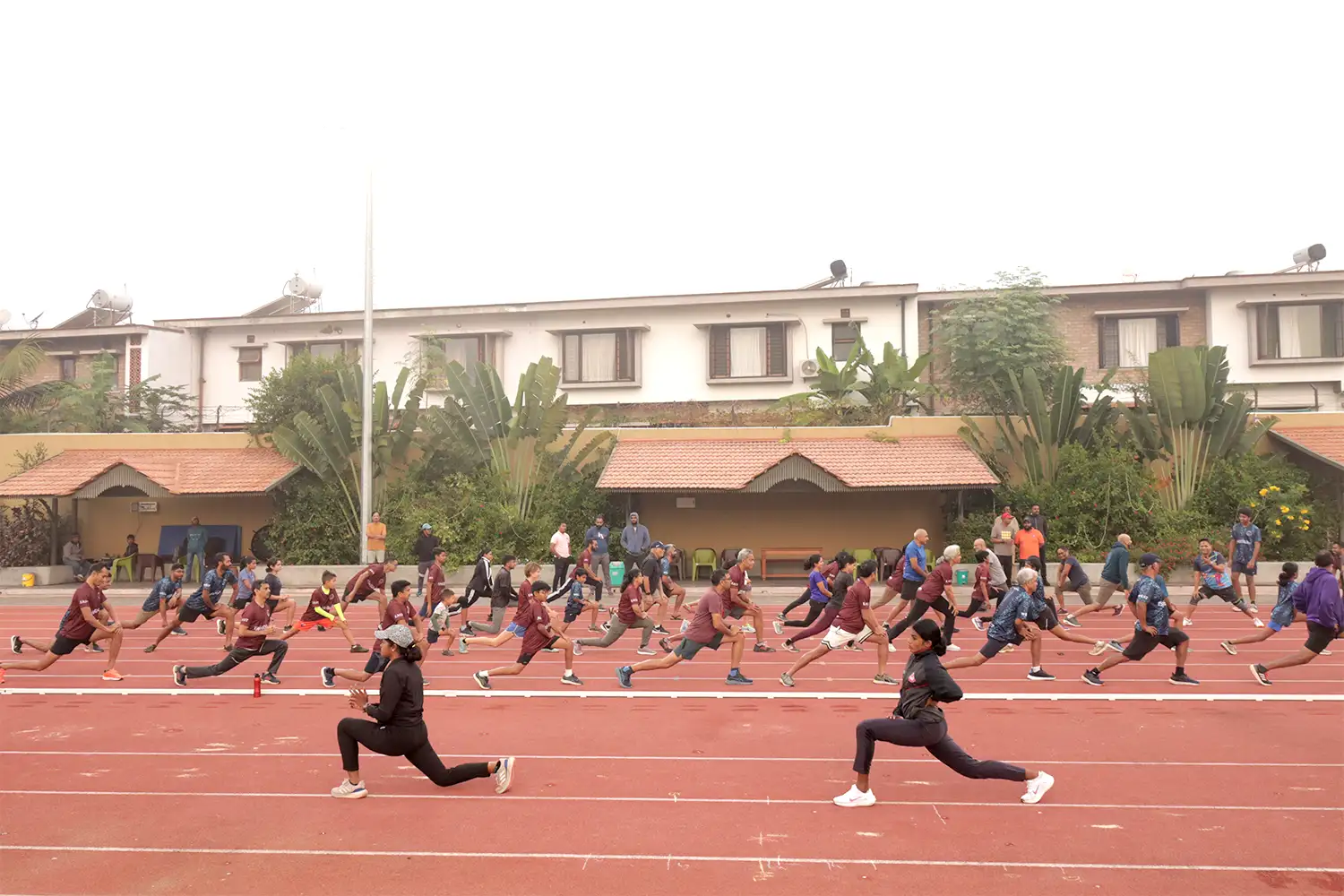
When Anju Bobby George, the Olympic long-jumper and Malhar resident, saw potential in the open spaces, she founded a sports academy that now serves both Malharites and the wider public.
These weren't amenities imposed from above—they emerged organically from our needs and talents. Soon, more followed. Adda, the old-school chai shop, became the informal gathering spot. Petrichor opened as an organic retail store. Koota evolved into a cultural centre and library where residents could connect over books and ideas. Confluence Club brought together sports facilities, guest accommodations, a café, and a restaurant—all resident-initiated, all responding to what we wanted.
Bringing people together
The infrastructure enabled something deeper: genuine community formation arounds hared needs and interests. We organised carpooling systems to reach the city center and metro stations as Bengaluru’s public transit expanded outward. We launched the Malhar Birders Club, leading expeditions through our green spacesand fostering conservation awareness among children and adults alike. Football tournaments started. Comedy clubs formed. Home cooks networked. Knowledge-sharing meetups became regular events.
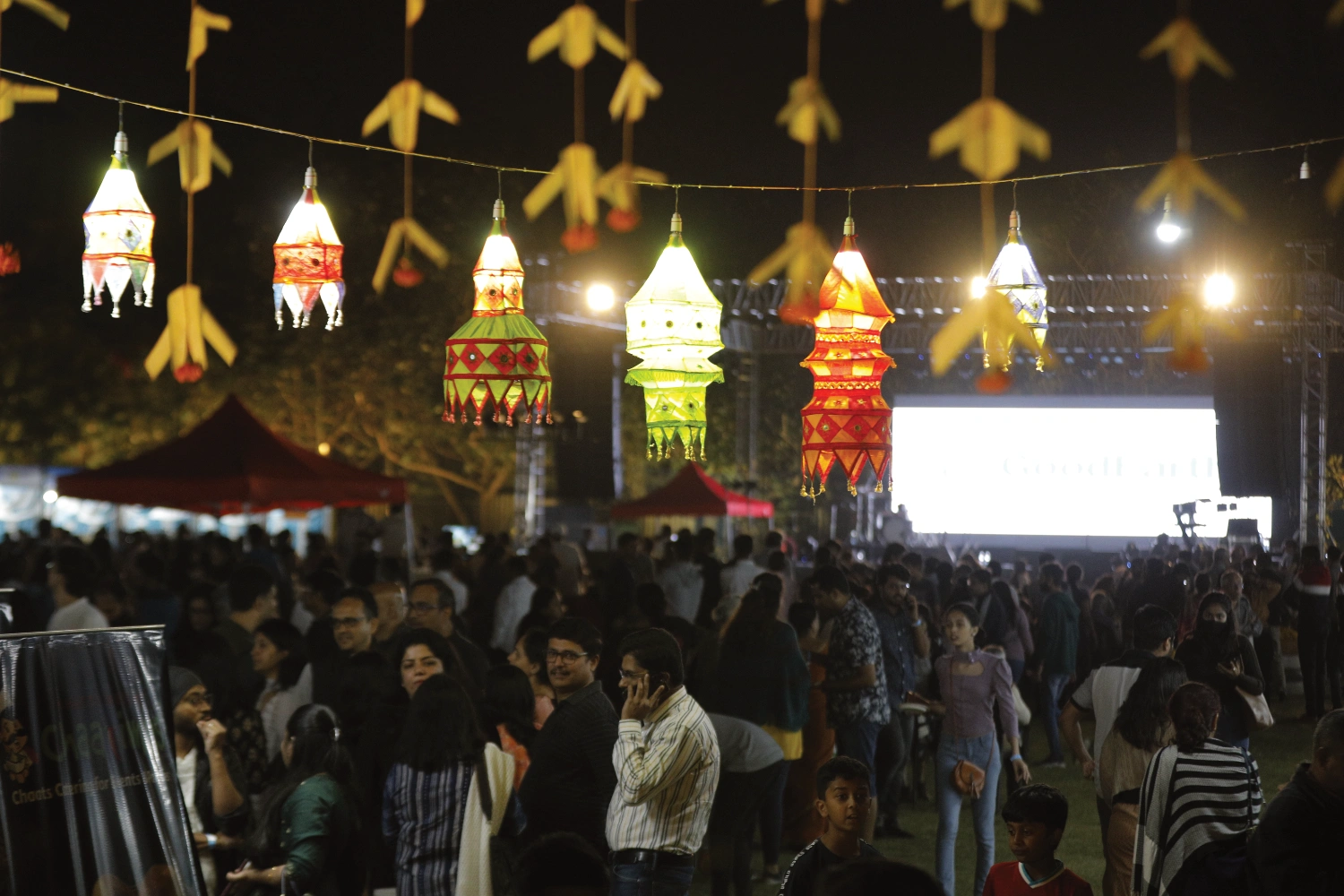
Malhar Mela and Spirit of Malhar became fixtures that brought everyone together—from families to young adults to seniors, from working professionals to college students and multi-generational households throughout the development.

Beyond the gates
As Malhar grew inward, residents also looked outward. They didn't see themselves as separate from Kambipura village but aspart of its fabric. Tree-planting drives included local villagers. Malharites adopted nearby schools. When GoodEarth undertook eco-restoration of the Anchepalya lake, residents from both Malhar and the village worked side by side. Social entrepreneurs within Malhar upskilled and trained members of the local community in Kambipura. Together with the broader community and our leafy and furry neighbours, we had been improving the locality.
The city catches up
Meanwhile, Bengaluru itself was changing. The city's growth trajectory, once concentrated in the core, began extending outward. New infrastructure projects improved connectivity to areas like Kambipura. What once felt isolated became accessible. The concept of the15-minute neighbourhood—where residents can access daily needs within a short walk or bike ride—became widely talked about. The 30-minute city, where major employment and cultural centres are within half an hour's travel, became astrong aspiration for many residents and planners.
Malhar, which had built these principles into its DNA from the start, was no longer an outlier. We were ahead of the curve.
2026: A model for sustainable urban living
Today, we’re a largely self-sufficient neighbourhood. We can access education,healthcare, fitness, culture, and community without leaving the development—yet we’re also well-connected to Kambipura’s broader opportunities, as well as Bengaluru’s. Our diverse housing options accommodate different life stages and budgets: young couples finding their first home, families with children, multi-generational households, and seniors living independently but with support nearby.
The green spaces that were preserved in 2013 now serve as our lungs, providing fresh air, reducing urban heat, and offering habitat for indigenous species. The nature trails that follow the land's original contours have become spaces for daily walks, birdwatching, and teaching children about ecology.
Though we began as an isolated development, 13years later, we’ve become a blueprint for how resident participation, thoughtful planning, and organic growth can create neighbourhoods that are sustainable, inclusive, and truly livable.
As Bengaluru continues expanding and planners pay closer attention to the 15-minute neighbourhood concept, our community is offering a living example of how it works—not through top-down mandates, but through people building what they need, together.
The question now isn't whether self-sufficient neighbourhoods can work in Bengaluru’s context. Malhar has answered that. The question is: how many more can we create?