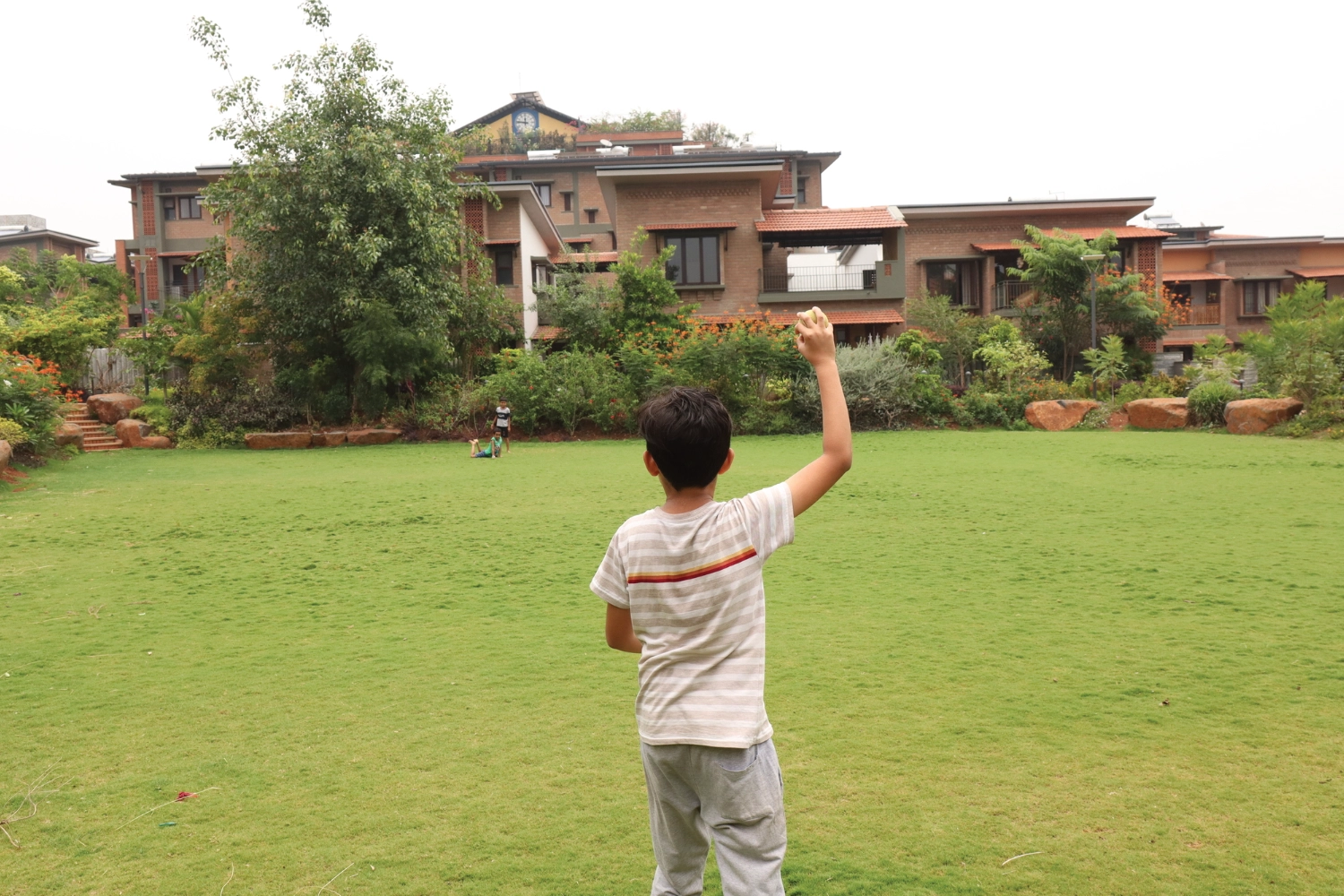
Common spaces, uncommon benefits - A Malhar perspective on how green spaces mould communities
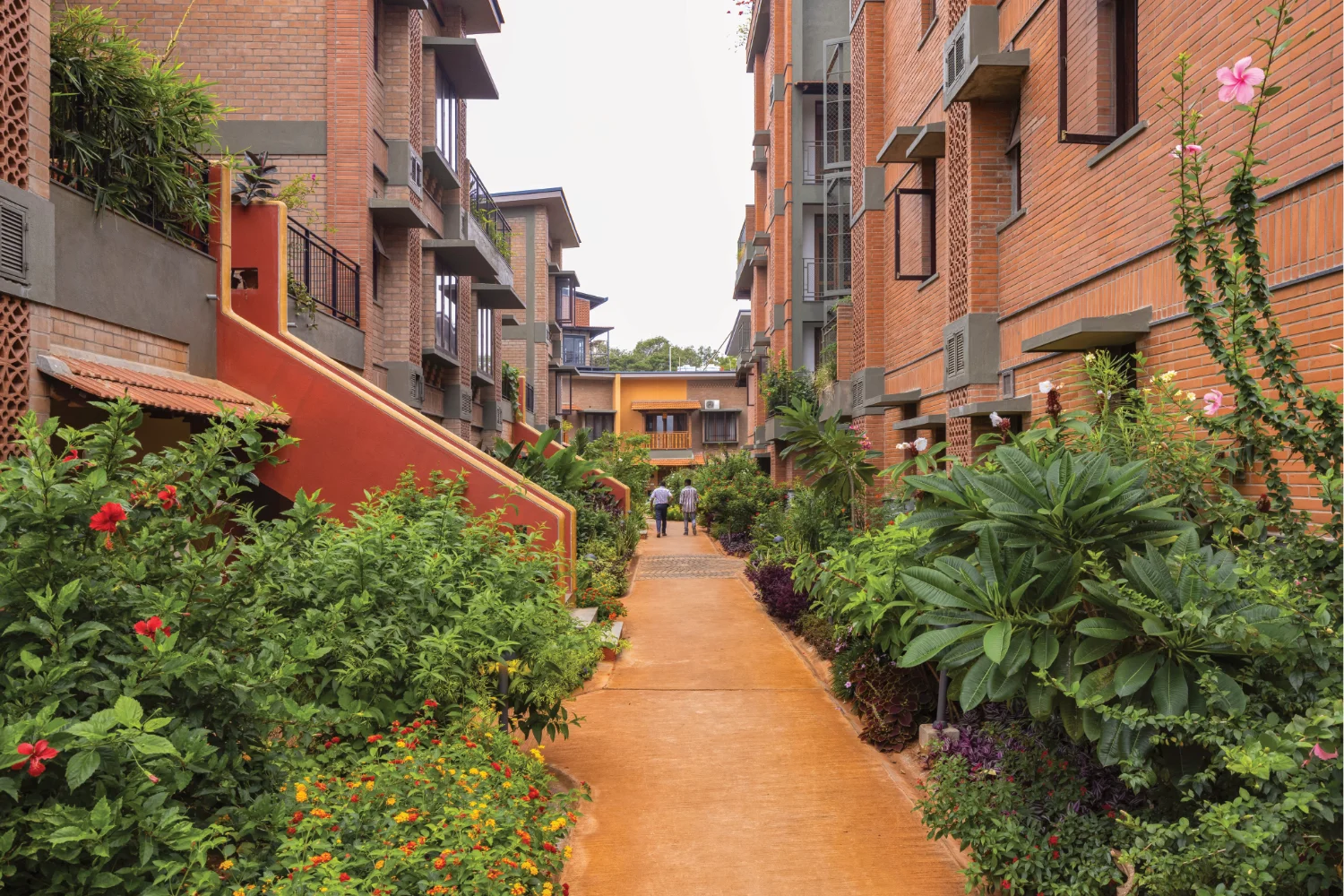
Watch a movie set in New York, and we can expect to see a few glimpses of Central Park. Movies set in Mumbai are bound to feature the sea. In Delhi, Lodhi Gardens often take centre stage when people want to simply relish the city. Chennai has Marina Beach. Hyderabad has Hussain Sagar Lake. And Bengaluru has Cubbon Park and Lal Bagh.
A city’s natural assets and green spaces are crucial to building common spaces -they become public, cultural, and natural spaces available to all its residents, whether they are privately, publicly, or collectively owned.
And while common green spaces in urban areas are vital to bring down the cost of home ownership while enjoying shared commons, they have a larger role to play in building a resilient community as well.
Green spaces enable community
Green spaces are widely known as acity’s lungs, but we also believe they, along with waterfronts, are the heart of a city, township or community. Natural spaces attract people and in turn inspire conviviality as more people connect, collect and converse over there.
The engagement with the natural environment also creates a shared sense of responsibility and pushes people to work together to protect,nurture and enjoy such spaces together.
The Malhar Wildlife group has been helping residents reengage with urban fauna. The group conducts regular expeditions both within Malhar’s own 50-acre lung space and to other oases of green within the city, and they have sparked boundless excitement among the young and old alike. We also see a newfound interest in conservation among Malharites and credit goes to the bird-watchers of Malhar for this.
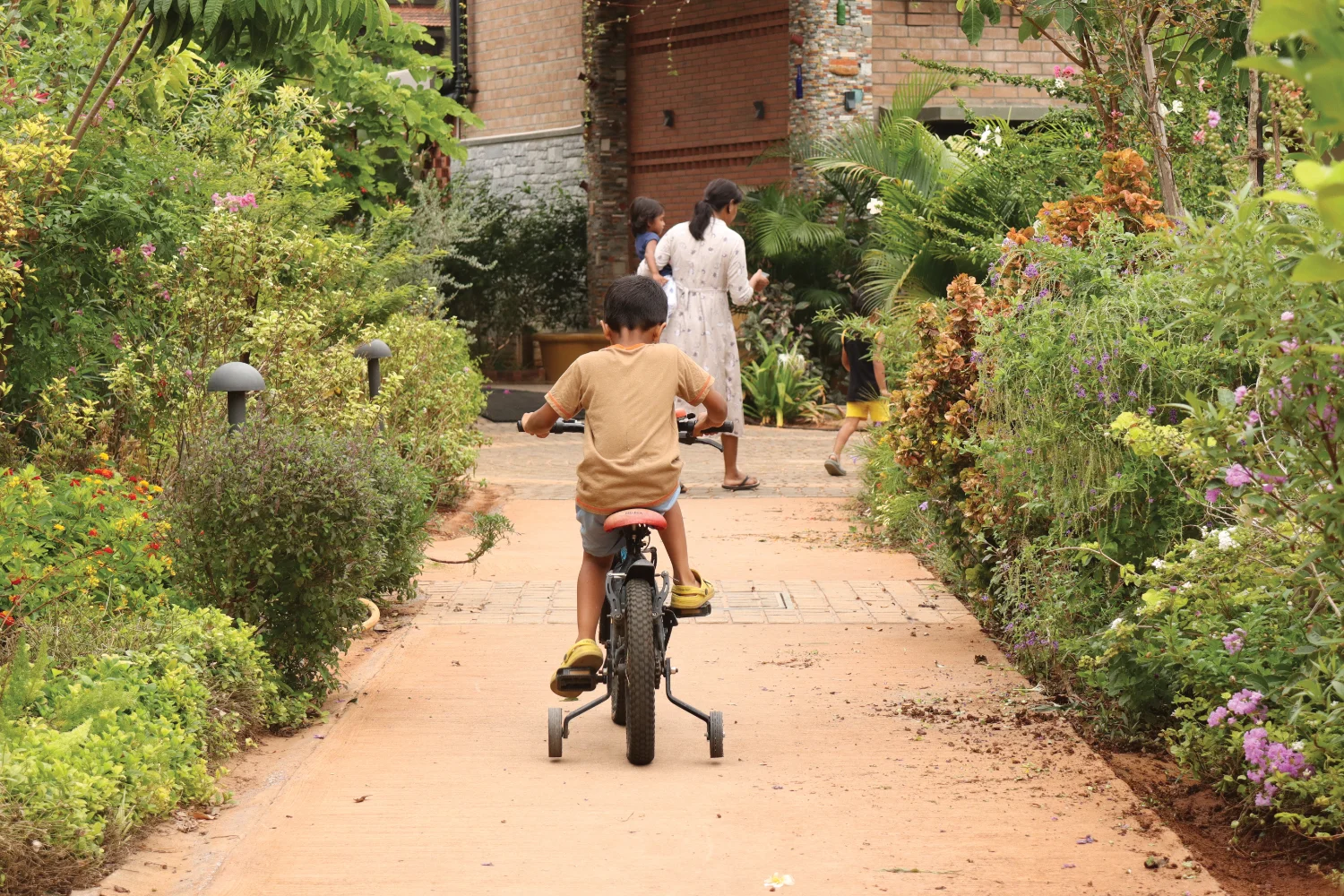
Green common spaces can help reduce loneliness and ensure safety in togetherness
Loneliness is fast reaching epidemic proportions in India, and it seems this trend is more acute among older people due to changing family structures and lifestyles, less social support and eroding kinship ties. This is especially true in an urban context, and all too often coupled with a fear for personal safety.
When common spaces encourage bustling, inclusive outdoor activities that appeal to all age groups and genders alike, it can help to drive down loneliness and ensure resident-driven safety measures as well.
The multitude of walking, running, and cycling tracks in Malhar helps the community adopt this idea effectively. The natural landscaping, clean air, and secure sidewalks within the development inspire Malharites to step out more often,take a stroll, go for a run, cycle around the development or just walk over to their neighbors more often.
Certainly, our experience at Mahar shows us that green common spaces don't just beautify our surroundings - they weave communities together, transforming neighbors into friends and solitary individuals into connected residents who share responsibility for the natural world around them.