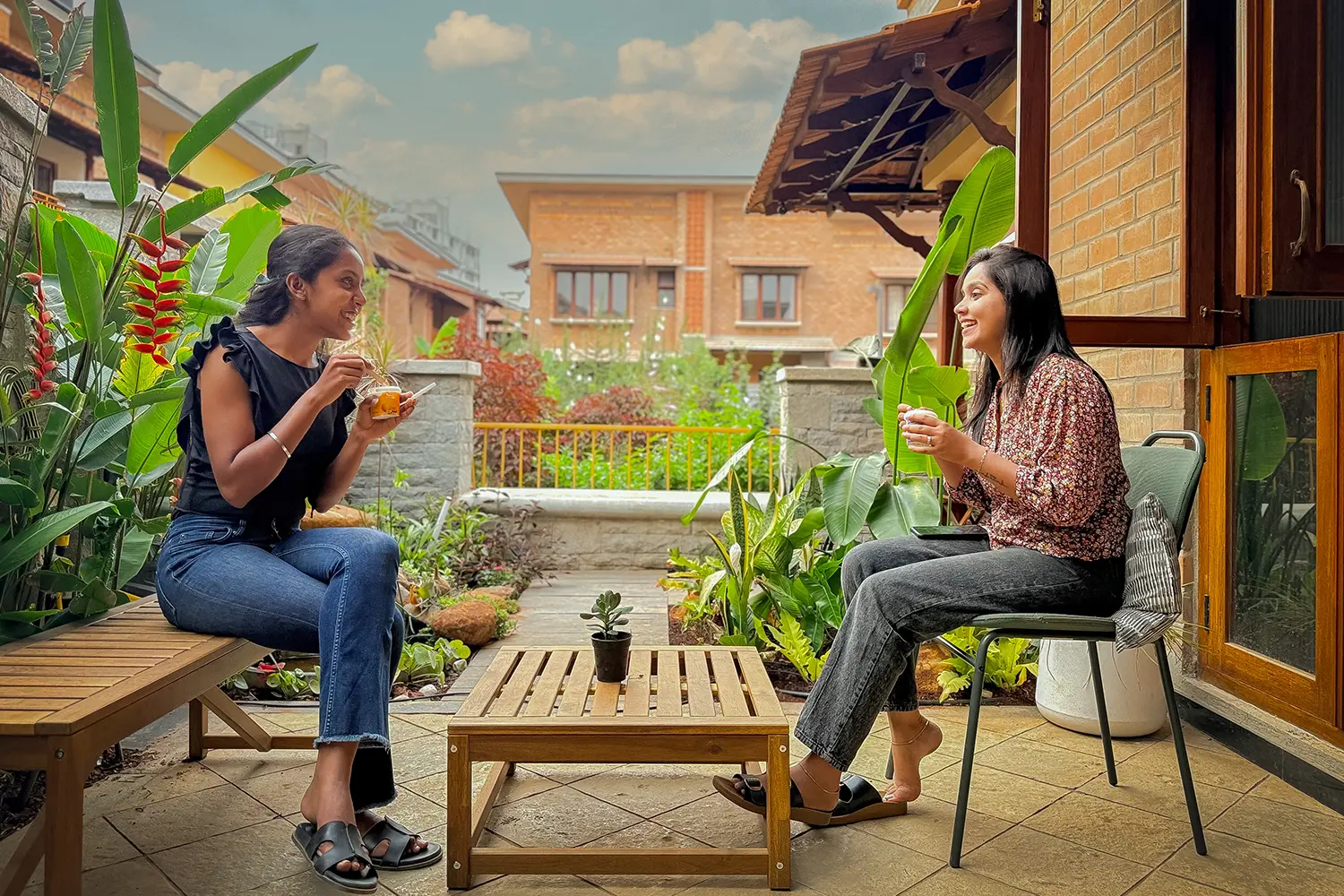
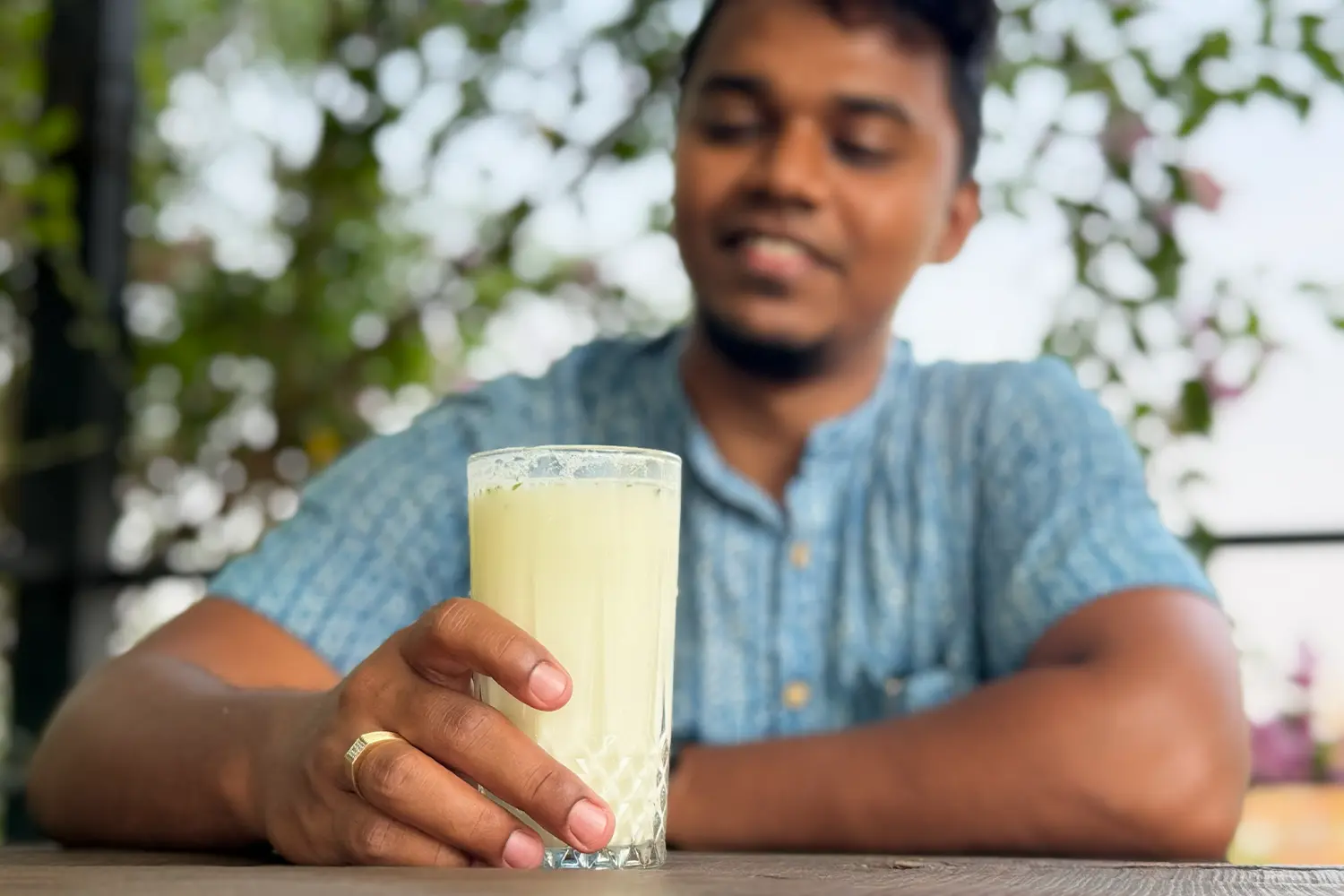
When we suddenly care less about how to say "I love you" in multiple languages and more about how to say "buttermilk"…
When the most ordered item in our Instamart account is ice-cream…
When we're returning home from mid-morning badminton and football soaked to the bones with sweat…
That's when all signs point to a searing Bengaluru summer…accompanied, almost inevitably, by the familiar summer water shortage.
Although, to be honest, by now, "buttermilk", "yoghurt", and "ice-lolly" should be an integral part of our vocabulary in all Indian languages. We should all be exchanging recipes for home-made ice cream. Booking 6 AM game slots as the days get longer should be muscle memory. And anticipating the weather, and responding pro-actively to the water shortages it brings along, should be common sense by now.
But it's easy to see why this is difficult. For a typical Bangalorean, the water bill is a shared expense included in the maintenance bill; rarely does individual metering exist. Which means it is difficult to see how our consumption habits are depleting the water available to everyone in the community, and even harder to change them.
Still, it seems we have done this part well at Malhar. As a community, we have responded to the city's recurring water crises with a sense of collective responsibility and mindful use, through great design and great awareness-building.
As we reflect on how we've managed this, one realisation stands out: We have a kind of secret sauce at Malhar that makes collective responsibility possible.
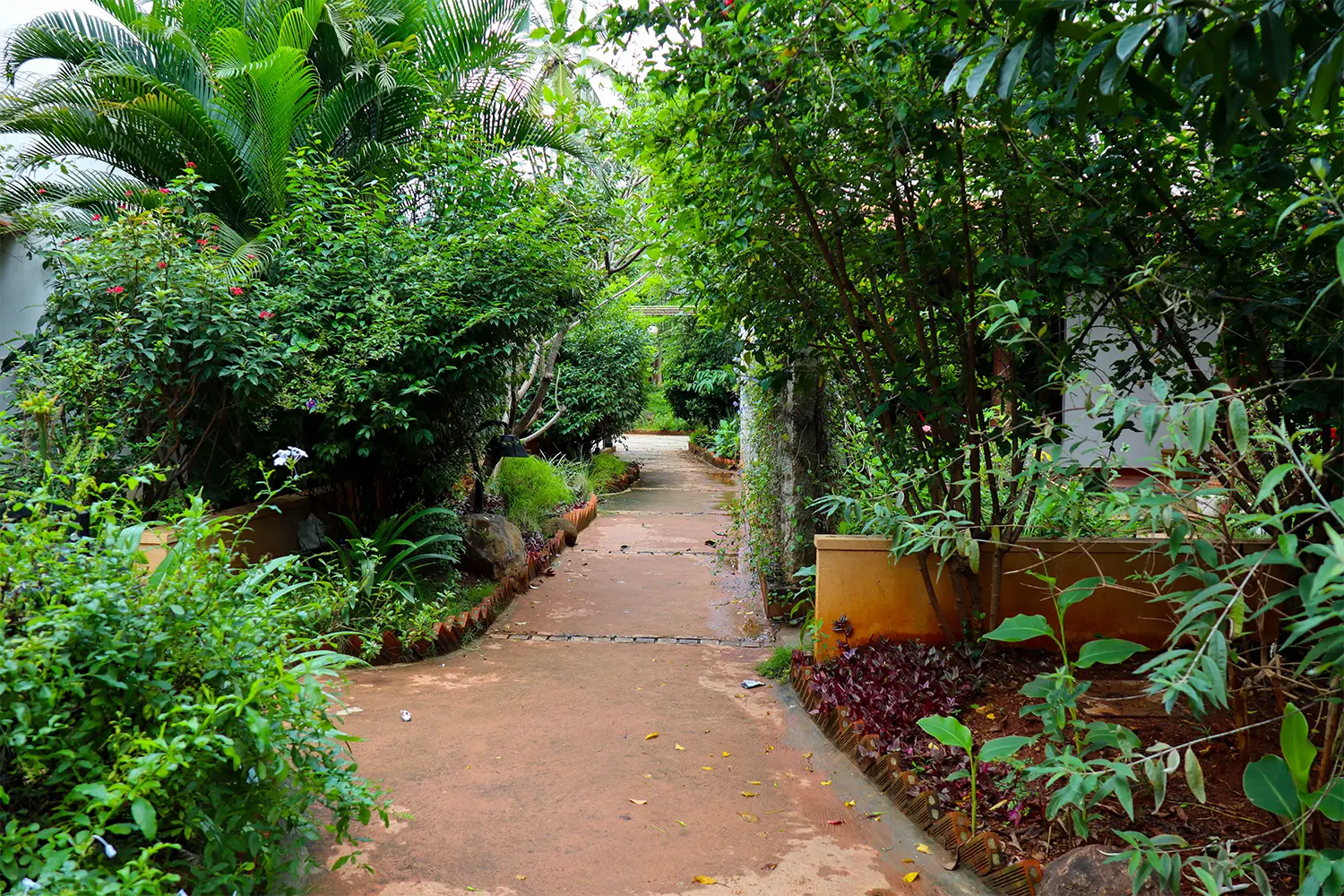
At Malhar, many of the right things are already designed into our everyday lives: low-flow plumbing, compatible fixtures, rainwater harvesting systems, decentralised wastewater treatment, and water-sensitive landscaping. All of this makes good water habits easier to adopt and sustain.
Take, for instance, the familiar water-saving measure: the 3-minute shower. How effective would it be if the fixtures were high-flow? Or the popular practice of using water mixers: Would it be possible if our faucets weren't compatible? Low-flow plumbing and compatible fixtures were built into the homes we live in, making responsible water use the easier default for everyone.
On a similar note, water harvesting is built into Malhar's infrastructure through percolation pits, berms, and more. Decentralised wastewater treatment systems allow us to treat used water and reuse it for irrigation and landscaping. Even the landscaping itself, which comprises native, shade-giving plants, requires less water. For many home owners outside Malhar, this kind of infrastructural investment is unviable, making water responsibility harder to practice consistently.
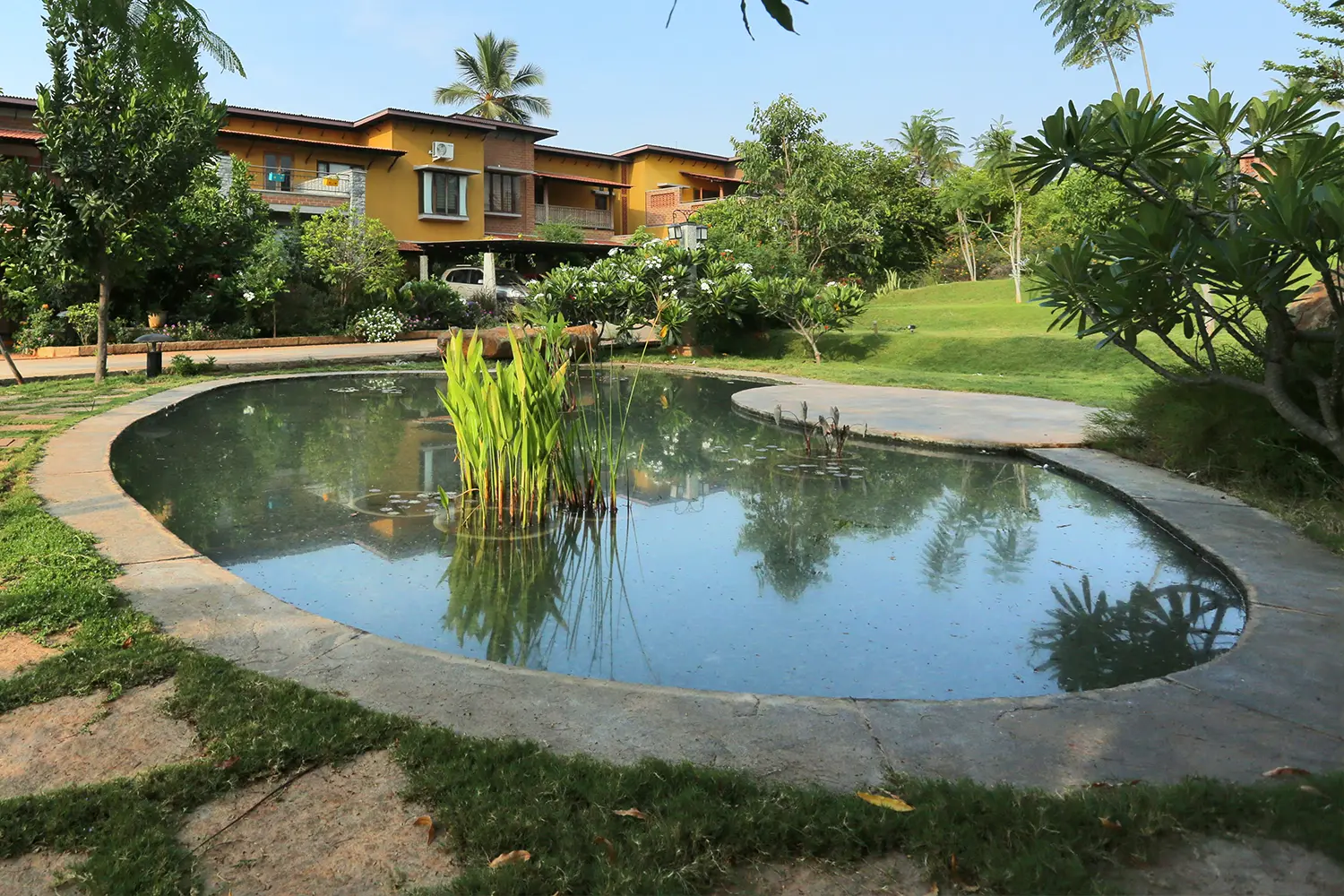
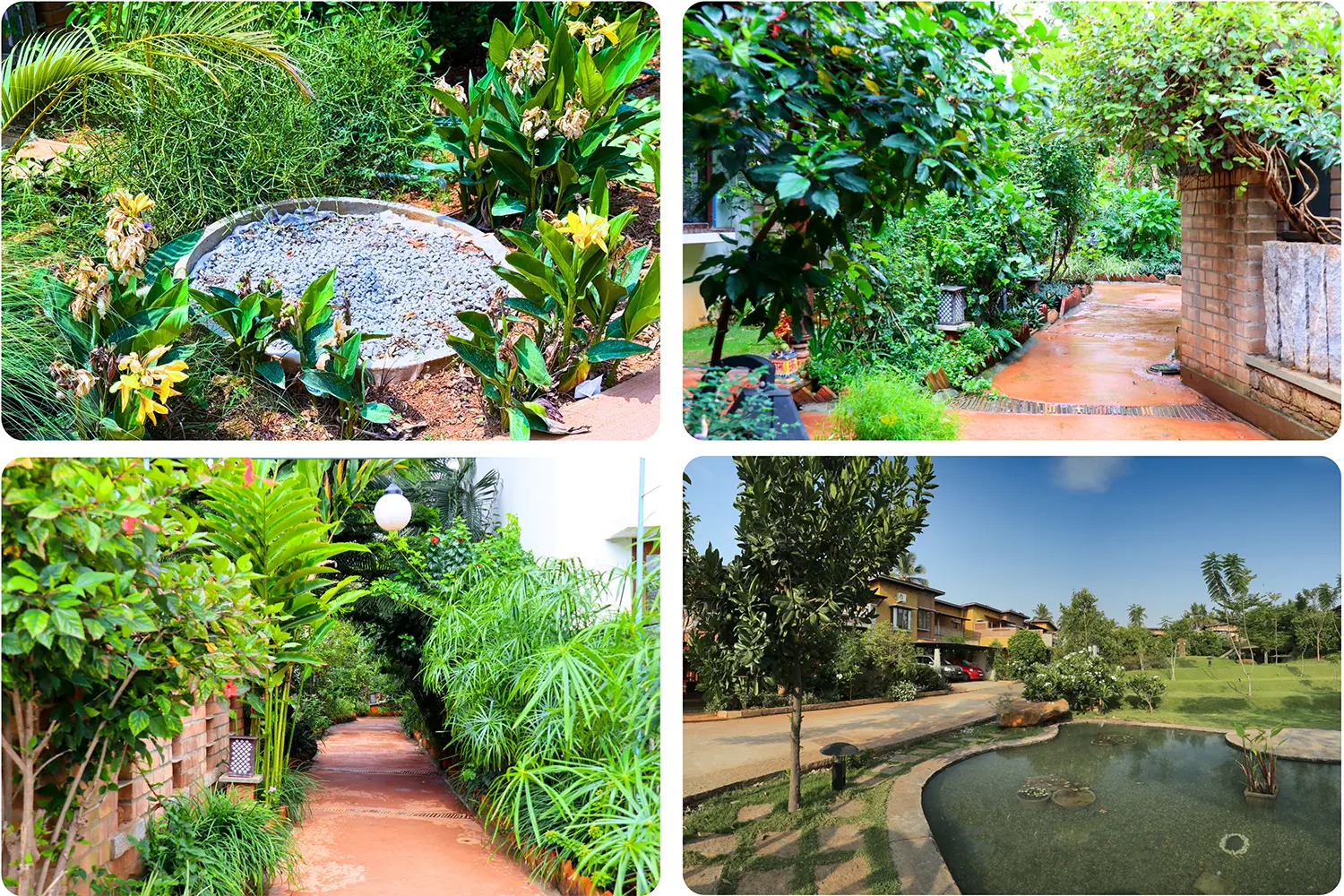
We, on the other hand, are able to build on these systems with habits that naturally follow: maintaining water-hardy gardens, reusing kitchen water, and being mindful of everyday consumption. It becomes a virtuous circle: One that begins with thoughtful design and continues with everyday choices. One where being a polyglot, buttermilk-guzzling, ice-cream-making, early-rising water-saver feels less like effort - and more like a way of life.