malhar.community/ Living with Snakes fauna · snakes · coexistence
GOOD EARTH MALHAR · FAUNA · SNAKES

Living with Snakes at Malhar

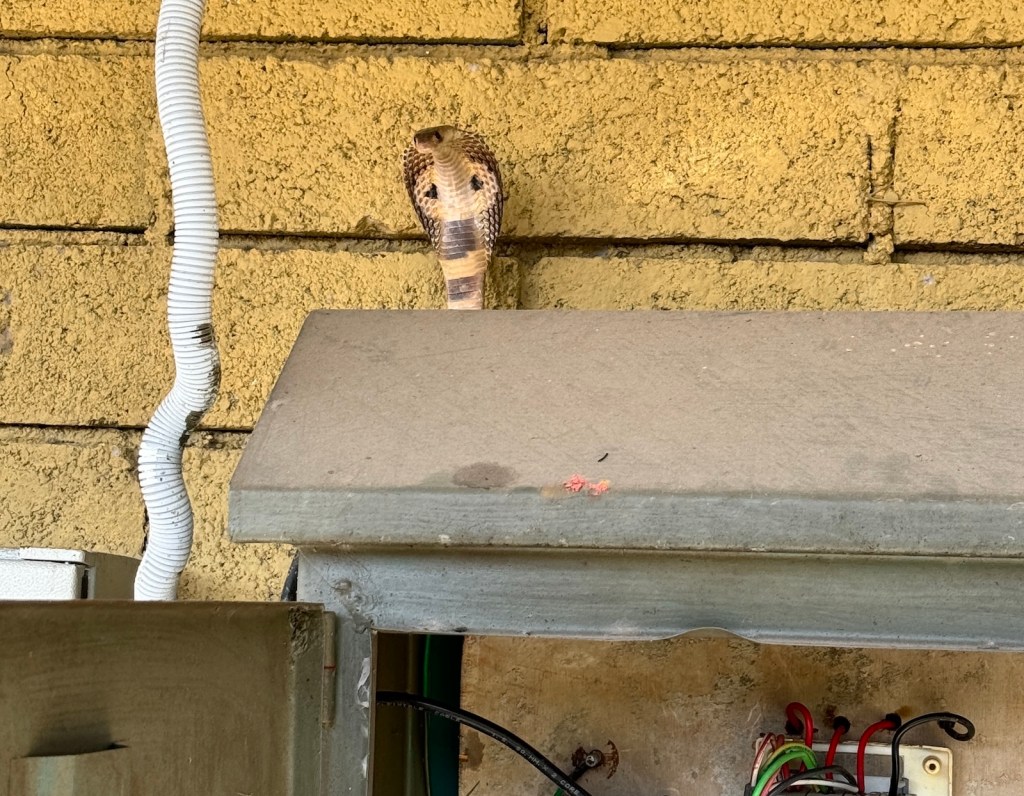
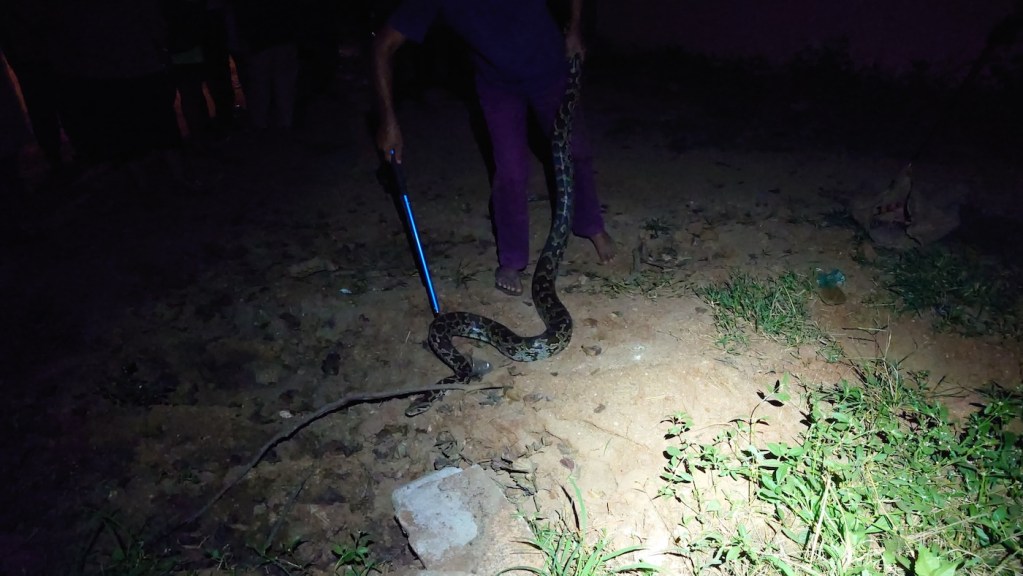
Malhar shares its ground with more kinds of snake than most residents ever notice, most of them shy and wanting nothing to do with us, all of them older residents of this land than we are. When one turns up in a garden or a stairwell, the first call here isn't to chase it away. It's to a neighbour who comes out, gently, and moves it on.

This page is not a warning. It's a record: of what lives here, what to do if you meet one, and how this community has learned to share the ground with them.

Know what to do if you see one
SCROLL
The catalogue

What lives here

A dozen snakes from the Common Snakes identification project, common to this part of Bangalore and the ones most likely to turn up at Malhar, kept plainly rather than dramatically. Most are non-venomous. A few deserve real caution. None are villains.

Non-venomous Medically significant
SpeciesStatusSizeActive
Common encounters

The ones you'll actually meet

The twelve snakes residents are most likely to run into, drawn from Shifting Radius's Common Snakes identification project. Knowing them on sight is most of what keeps an encounter calm.

If you see one

What to do if you see a snake

The Malhar protocol. Six steps, the same every time, whether it's a wolf snake on the stairs or a cobra in the garden.

1

Stay calm, keep your distance

Most snakes want to leave undetected, not to fight. Give it room and it usually takes it.

2

Don't corner or provoke it

No poking, no throwing things, no trying to catch or kill it yourself. Cornering is what causes bites.

3

Note the block, not the address

Which block and roughly what it looks like is enough. Exact house numbers aren't necessary.

4

Call the helpline

The Goodearth Snake Helpline (WhatsApp) reaches a trained rescuer directly, day or night.

5

Keep the area lit and clear

Keep pets and children back, and a torch on the spot if it's after dark, until the rescuer arrives.

6

It's identified and released

Safely, away from homes, unharmed.

If a bite happens

Get to a hospital. Nothing else treats a venomous bite.

Anti-venom, given at a hospital, is the only treatment that works. Call the helpline on the way, they can advise en route, but don't wait to see if symptoms appear before leaving.

  • Do: keep the bitten limb still and lower than the heart, remove rings or tight clothing near the bite before it swells, and go straight to the nearest hospital.
  • Don't: cut the wound, try to suck out venom, apply ice or a tourniquet, or use any home remedy. All of these cost time without helping.
  • If you can, safely: note the snake's colour and pattern, or a photo from a distance, to help identify it. Never go back for it.
A resident's primer

Living with snakes

The myth-versus-fact essentials, if you only read one section on this page.

  • Of the species recorded here, close to twenty so far, only three are medically significant. The rest are non-venomous, whatever they look like.
  • The snakes people see most often here are non-venomous. The Rat Snake and the Wolf Snake account for most helpline calls, and neither is venomous.
  • Snakes follow rodents and cover, not people. Keep leaf litter, firewood piles, and gaps under gates and drains clear along your compound wall, and you remove most of what draws them close.
  • A patterned or banded snake is not automatically dangerous. The Wolf Snake, Trinket Snake, and Banded Kukri are all boldly marked and all harmless. Pattern alone is never a safe way to judge a threat, that's what the catalogue above is for.
  • Killing a snake doesn't make a garden safer. Most snakes here are hunting the rodents that would otherwise draw in more snakes. A rescued snake, relocated, does the same job somewhere it won't run into anyone.
  • If a bite does happen, there is one real treatment: anti-venom, at a hospital. Get there immediately and call the helpline on the way, they can advise en route. No folk remedy has ever been shown to work, and the time spent trying one is the time that matters most.

A snake in the garden is not an emergency. It's a neighbour that hasn't learned to knock.— the Goodearth Snake Helpline

The keeper's journey

A record kept since 2022

It didn't start as a calling. By his own account, it began with curiosity around 2020, a first snake handled bare-handed the following year, and by 2023 the hook, tongs, and training of a serious volunteer. What keeps Sandeep going, four years and hundreds of rescues later, is less an appetite for adventure and more a conviction: that every life, and Malhar's biodiversity, is worth the calls that come at 2am. Every rescue since 2022 is written up, one at a time, in his own words.

Read the rescue archive
Every rescue since 2022, written up year by year, on Sandeep's own journal.
Join the network

The Goodearth Snake Helpline

A WhatsApp group connecting Malhar residents directly to trained rescuers. Report a sighting, ask a question about something you saw, or just watch how the record grows.

Goodearth Snake Helpline WhatsApp group QR code
Scan or upload this QR code using the WhatsApp camera to join the group.

Run by a small team of trained neighbours.
Field notes

Stories from the ground

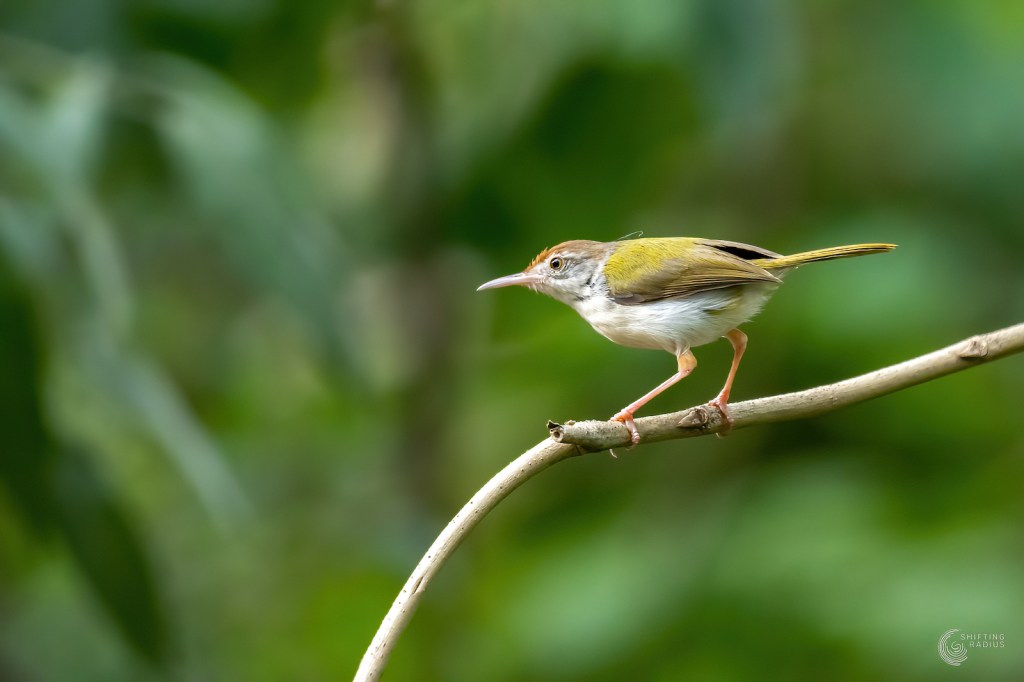
A cobra behind a car, a python in the compost, the tailorbird-versus-rat-snake day. Contributed and live from shiftingradius.com and nanusense.com.

?
Malhar Snake Fact of the Day