an Indian paradise-flycatcher, white morph male, with the streamers only older males grow
Indian Paradise-Flycatcher · Terpsiphone paradisi
Glance up at Malhar and there might be a peacock on a wall, a paradise-flycatcher trailing white through the trees, or a stonechat just in from Central Asia resting on a fence. Sixty residents have kept the count, and it keeps surprising us: common birds by the dozen, winter visitors arriving on schedule, and the occasional once-in-years stray. This page is a living portrait of who shares this sky.
Records as of June 2026, compiled from the eBird hotspot L4022249, iNaturalist, and field notes from shiftingradius.com. The counts grow as the community keeps watching.
Every bird on the list falls somewhere on a spectrum, from the thirty residents you'll meet on any morning, to the thirty-four rarities glimpsed once and never again. The bar below is the whole community of birds, sized by how often each tier is seen.
These are the birds that make a checklist memorable, long-distance migrants blown off course, shy forest species that wander in, a falcon over the scrub for one February morning. Each has been logged only a handful of times in 965 visits.
The birds of any Malhar morning. Learn these fifteen and you'll know the soundtrack of the place, the barbet's metronome, the koel's rising call, the kite's whistle overhead.
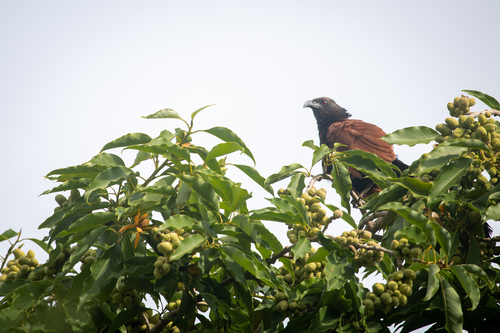
Most of Malhar's birds you will hear long before you ever spot them. The barbet's hammer, the koel's rising call, the coucal deep in the hedge. Tap a bird to listen.
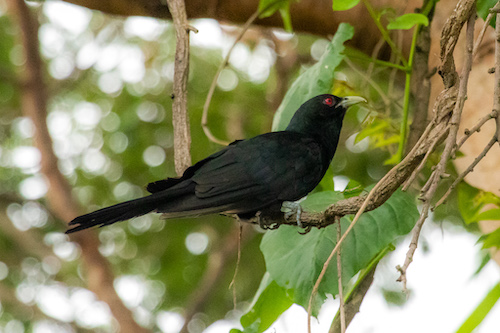
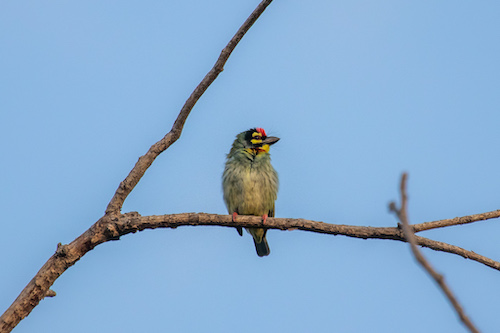
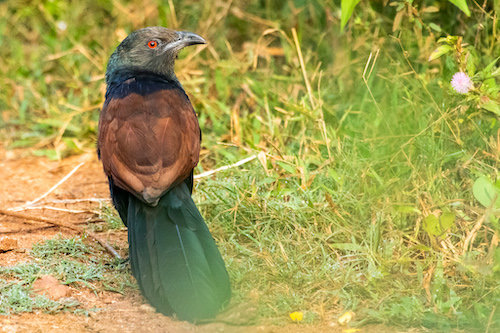
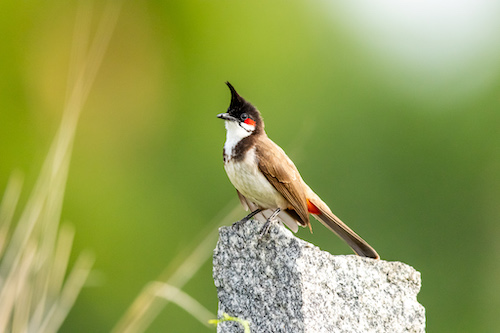
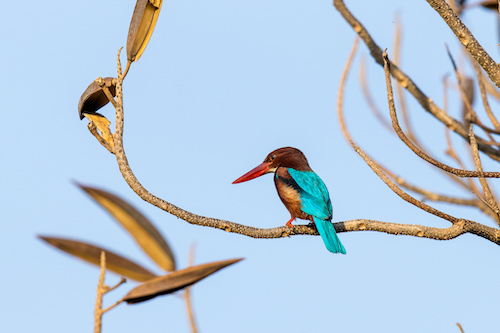
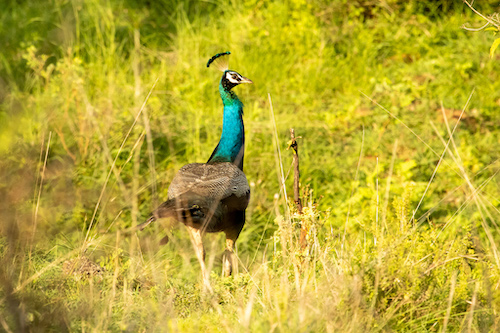
Calls under Creative Commons (CC BY-SA), from Wikimedia Commons. Koel Manoj Karingamadathil, Coppersmith Barbet Sudipto Roy, Coucal Sharadapte, Bulbul Subhashish Panigrahi, Kingfisher Sharadapte, Peafowl Pamela Rasmussen.
The full record. Each bar-strip is the bird's real year, how often it's seen, month by month, across all checklists. Filter, search, or sort to read the place however you like. Blue marks the winter months, when the migrants are in.
eBird tells us what is most seen; iNaturalist shows what gets photographed, by a different set of people, every record backed by an image. A second, independent read on the same patch of ground.
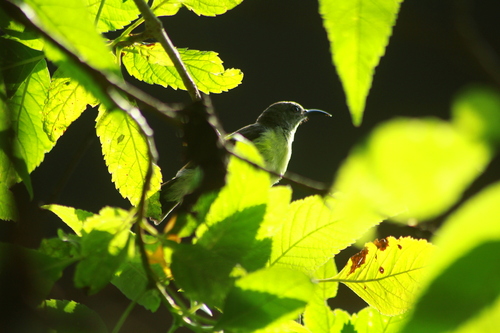
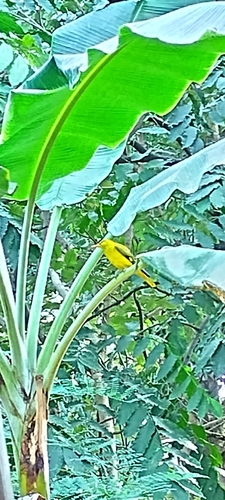
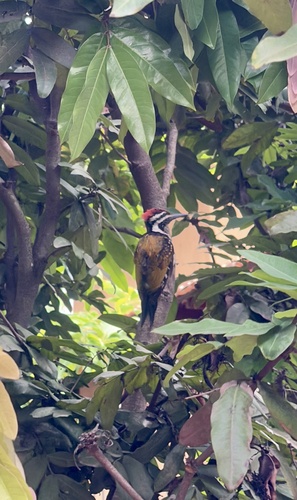
The same list reads differently depending on where you stand. Six corners of the community, and what each one gives up if you wait.
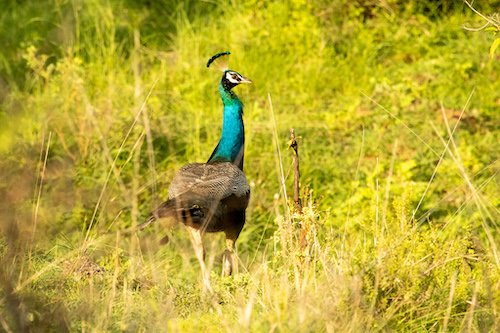
Open ground and edges. Indian Peafowl, Gray Francolin, Ashy Prinia, Pied Bushchat, Indian Robin, Jerdon's Bushlark, and the lark-flat where a Siberian Stonechat once perched.
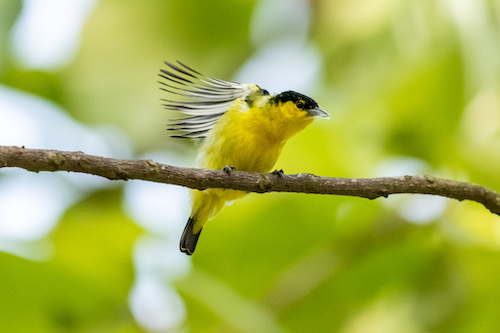
Rain trees and figs. Both barbets, three sunbirds, Indian White-eye, Pale-billed Flowerpecker, Common Iora, Indian Golden Oriole, the relentless Asian Koel.
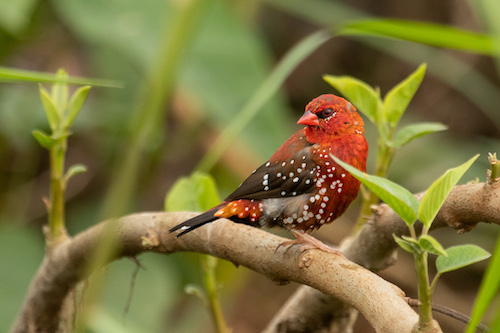
Reed edges and damp grass. Baya Weaver colonies in the monsoon, plus the munia crowd, Scaly-breasted, White-rumped, Tricolored and the jewel-like Red Avadavat.
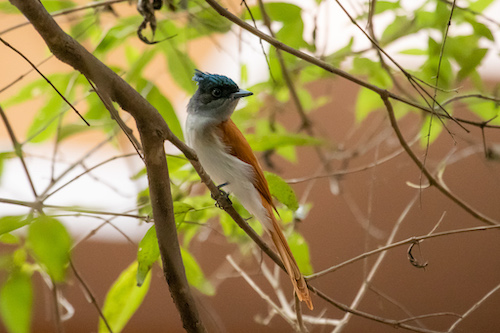
You needn't step out. Indian Paradise-Flycatcher, Tickell's Blue Flycatcher, Brown Shrike, and, twice, the electric-blue Black-naped Monarch, all logged from home.
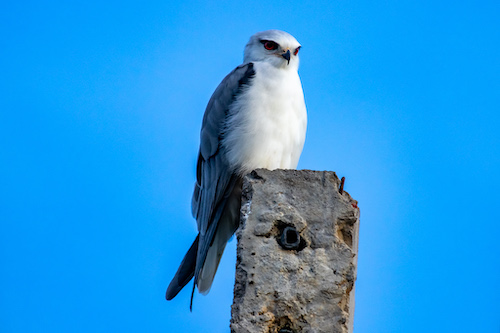
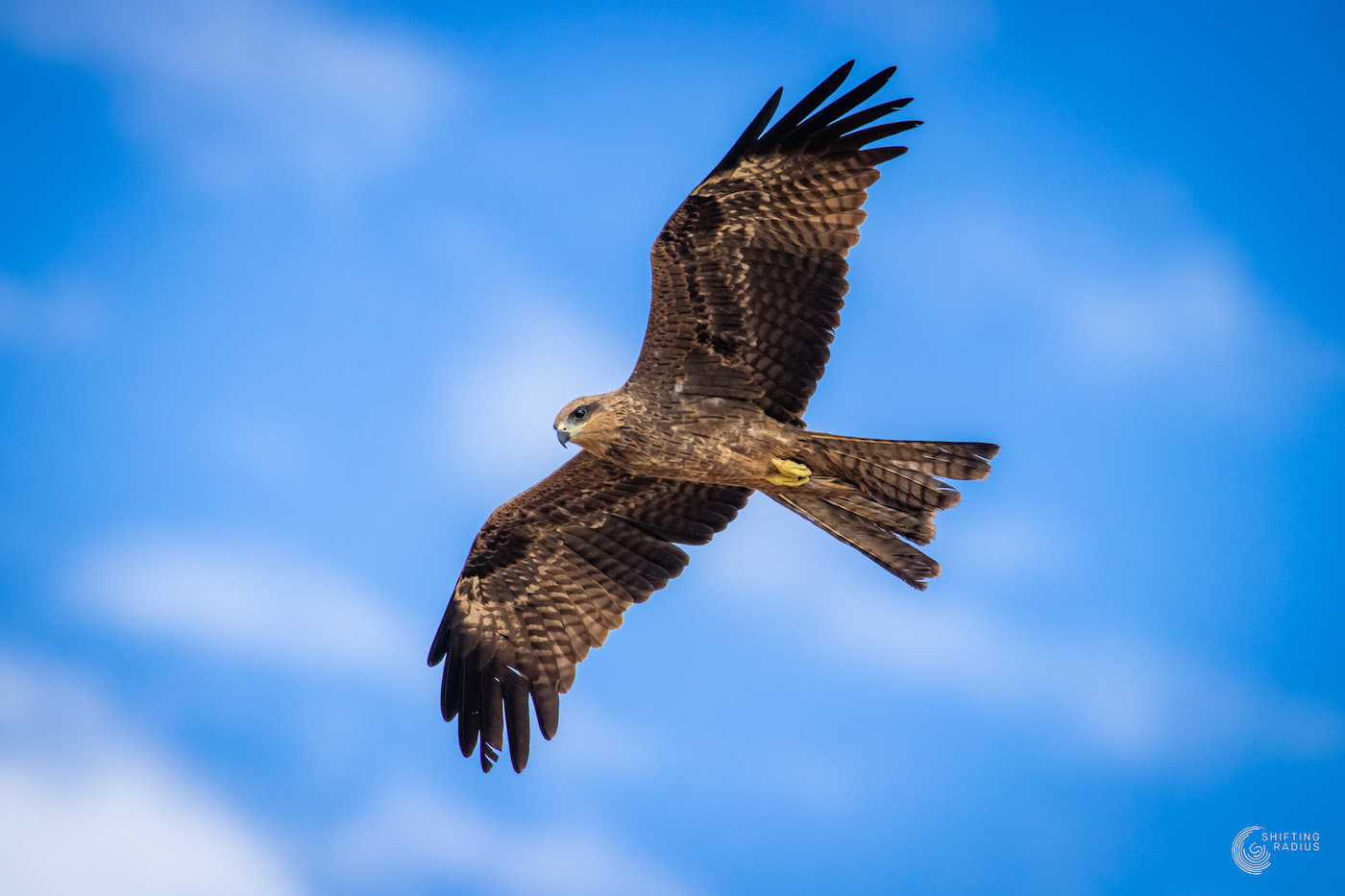
Look up. Black, Brahminy and Black-winged Kite share the air with Shikra; in winter, Booted Eagle and Oriental Honey-buzzard ride through. Once, a Red-necked Falcon.
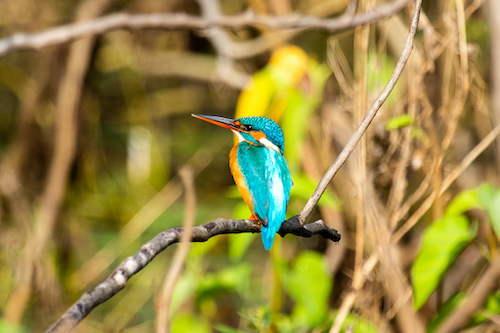
When water gathers. Pond-Heron, egrets, ibises, Little Grebe, cormorants, Eurasian Coot and the kingfishers, the lake-edge birds that round out the Malhar list.
A live map of every iNaturalist bird sighting across the community. Pan, zoom, and tap a pin to see the bird, who photographed it, and when. Pulled fresh from iNaturalist each time you open the page.
A few of the field notes Sandeep Nanu posts on his personal journal, Shifting Radius. For more, browse the full Malhar collection.
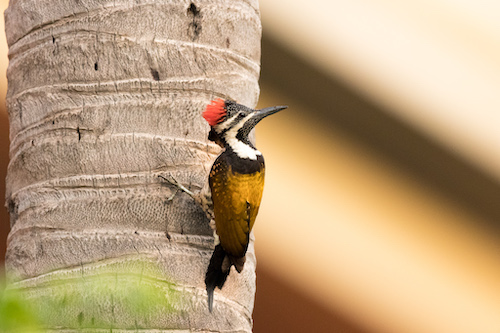
A "dead" coconut by the basketball court turned out to house owlets, mynas and a woodpecker family, three nests in one trunk, until it was felled. A lesson in what looks worthless.
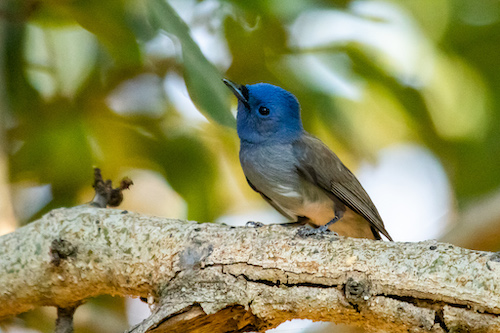
One afternoon a Black-naped Monarch appeared on a balcony the same day it was first named, and eleven other species followed within the hour. The home patch at its best.
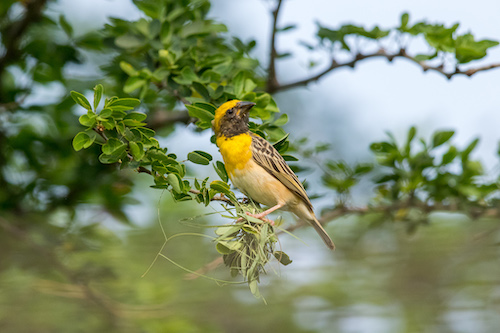
Each monsoon, male Baya Weavers hang their flasks above the Amphitheatre water and work all morning to impress the females who come to inspect. Architecture as courtship.
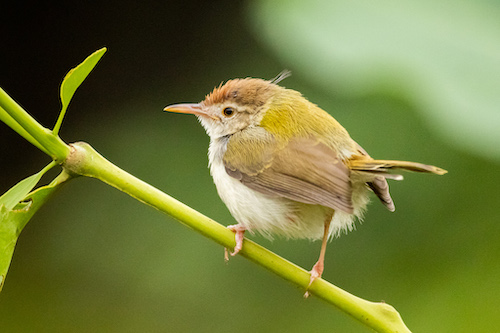
Distress calls outside a window: a rat snake working branch to branch toward two tailorbird chicks, the parents throwing themselves at it. This time, the parents won.
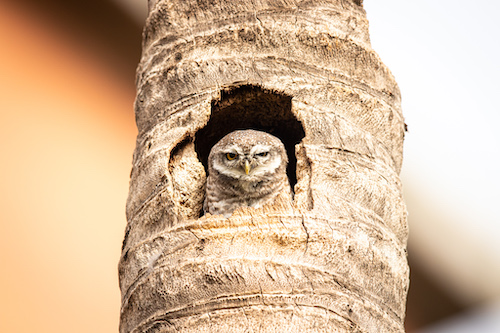
The pair of Spotted Owlets that watch the lanes from a tree-fork, indignant, side-eyeing, endlessly photogenic. Among the most reliable characters on the whole list.
A White-throated Kingfisher hunting far from any water (lizards, insects, the odd frog), and a courtship catch passed from male to female, all from a backyard perch.
Ever noticed a bird perched outside your window and wished you could see it better? Girin, a resident bird photographer, walks through it all: picking the right spot and time of day, and the camera settings that catch a bird in its element.
No expert knowledge needed. Just curiosity, and a little patience.
Girin, resident bird photographerFrom Savvy in Five, where residents of Malhar Eco-Village share a handy skill. On the Good Earth channel.
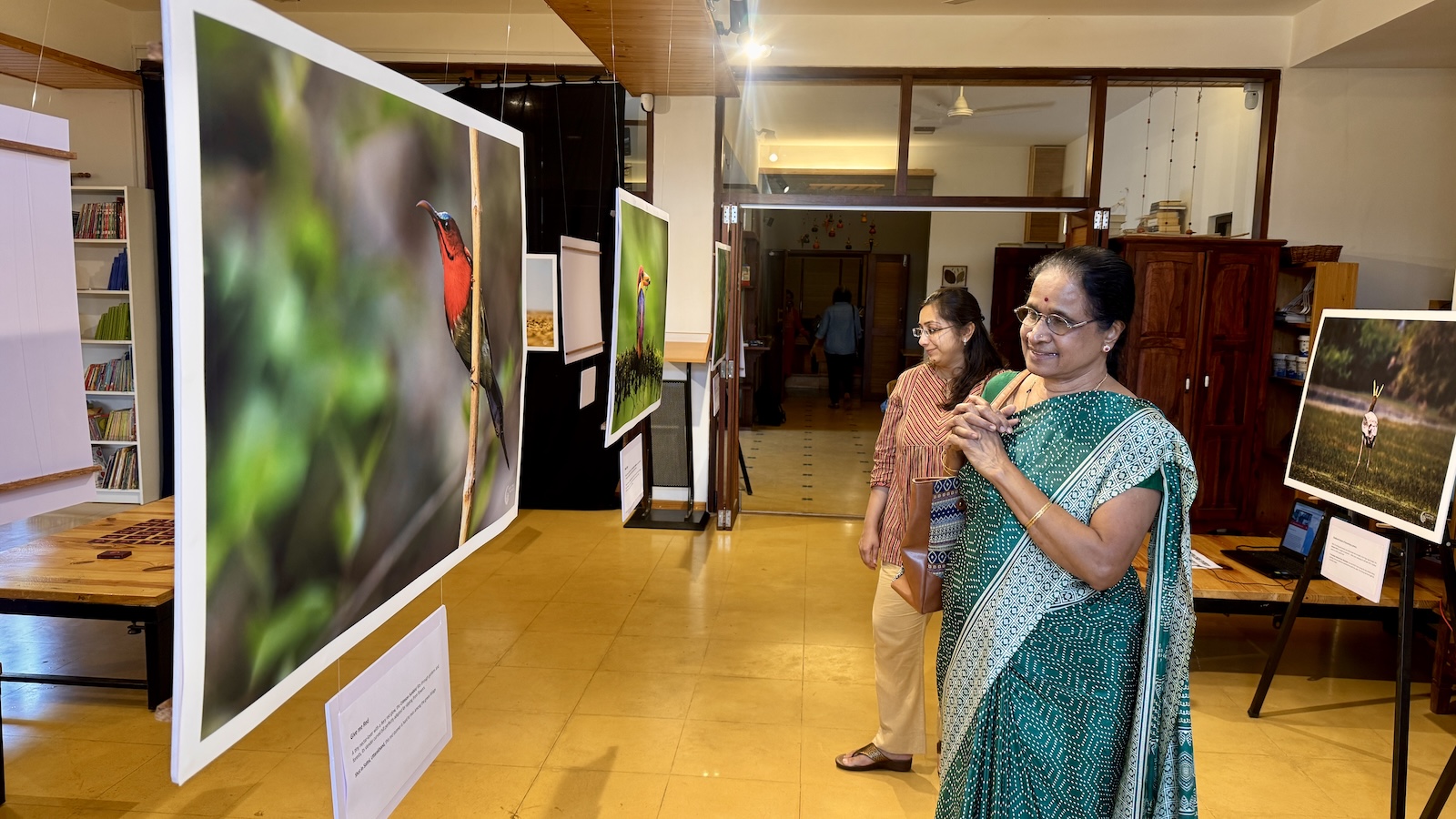
The list has never just been data. It became a teaching object when a child learned the koel's call from the cuckoo's; it became a gathering when the photographs went up on the walls of the Courtyard Koota.
People came with their own sightings. Children quizzed the adults. Everyone leaned in to find the white polka-dots on a Red Avadavat no one had noticed with the naked eye. The birds, it turned out, were a reason to stand together and pay attention.
Sixty people have logged a bird at Malhar. A handful keep the record steady, the most active of all, all-time.
The list is bigger than any one of us, sixty pairs of eyes, one shared record.
One hundred and fifty-four is not the end of it, it is wherever we've counted to. Every checklist you submit at the Malhar hotspot adds to the shared record, sharpens the seasons, and might just be the 155th.
seen something? it counts. log it.